

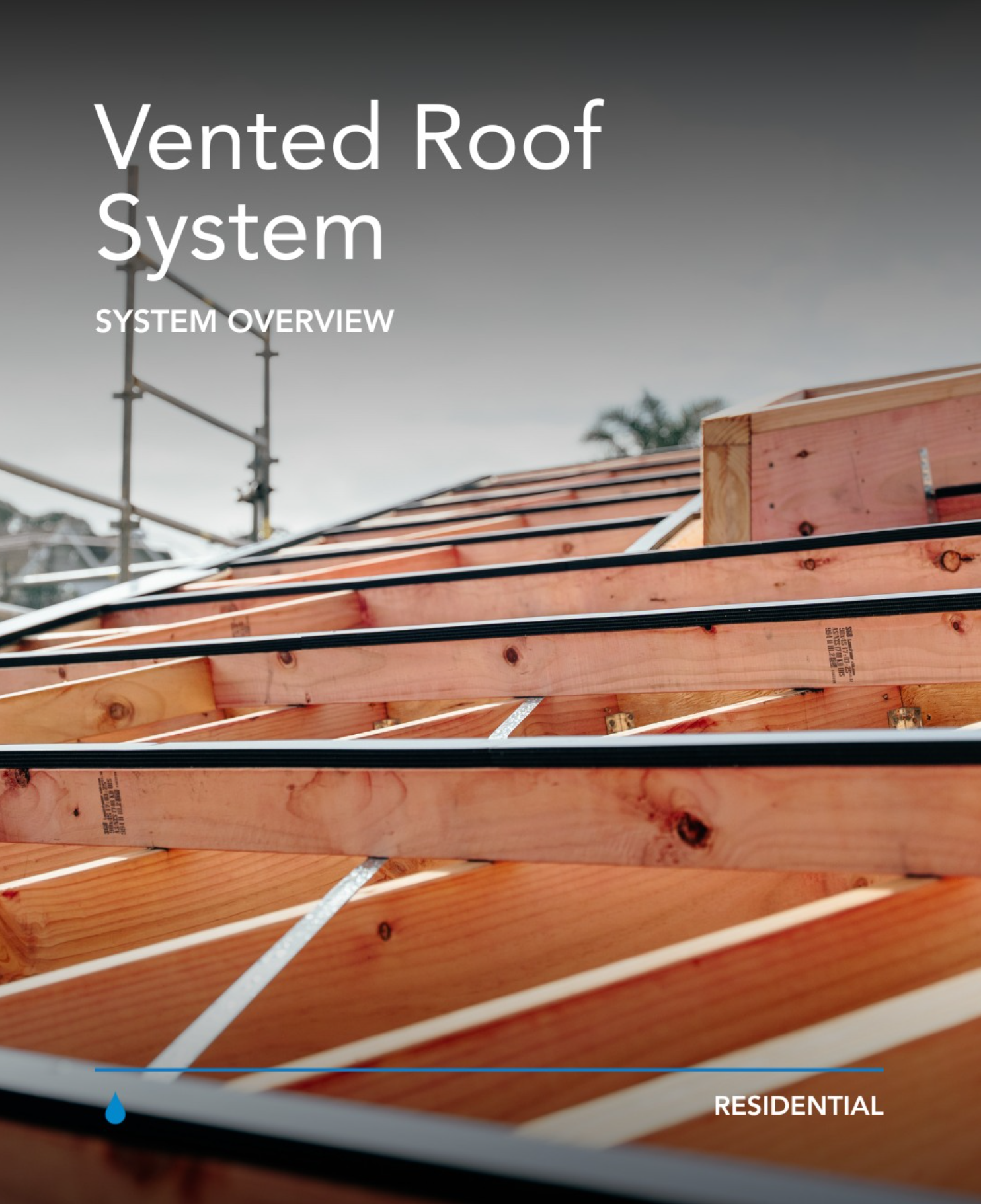
Introduction
In modern home construction, energy efficiency and airtight design are often top priorities. But when roofs become too sealed and insulation gaps aren’t managed, moisture can build up inside the roof cavity, causing condensation, rot, mould, and reduced performance of insulation and membranes.
A properly designed vented roof system (also called a ventilated roof or passive roof ventilation) provides a continuous airflow from eaves to ridge, helping to manage moisture, prolong roof system lifespan, and maintain a healthy building envelope.
In this article, we’ll explain how vented roof systems work, why they are especially important in New Zealand’s climate, key components and design considerations, real examples (including from our own projects), and tips & pitfalls to watch out for.
Why Ventilation Is Crucial in NZ Roofs
Moisture, condensation & airtight homes
As homes in NZ become more airtight and better insulated, there is less natural air leakage. While this is great for reducing heat loss, it also means that internal moisture (from cooking, showers, breathing) finds fewer escape routes. That moisture can migrate upward into ceiling / roof cavities, condense on colder surfaces (roof underlays, framing, structural members), and cause damage.
When insulation becomes damp, its thermal performance drops. Timber can rot or degrade, membranes lose effectiveness, and mould may form — all of which reduce the longevity and health of the building.
Thermal & stack effect + wind pressure
A vented roof system leverages passive physics: warm interior air rises (stack effect), pulling air upward and out via ridge vents, while cooler outside air is drawn in through intake vents at the eaves or soffits. External wind pressure differences across roof surfaces further assist airflow through the cavity.
New Zealand / Auckland Climate Factors
In Auckland / northern NZ, humidity can be high, and with frequent rainfall, ventilation is a key defence against moisture accumulation.
Coastal homes face salt spray, which can degrade materials more rapidly. Ensuring proper ventilation adds resilience.
Because many modern NZ homes have increased insulation and sealed construction, the risk of trapped moisture is greater, making ventilation more critical.
How Vented Roof Systems Work: Key Components & Best Practices
To function properly, a vented roof system must maintain an unimpeded airflow path from eaves to ridge, with appropriately sized intake and exhaust venting. Below are the main elements and design considerations:
| COMPONENT | FUNCTION | NOTES |
| Eaves / Soffit / Intake vents | Allow fresh external air to enter the roof cavity | Use over-fascia vents, comb fillers, or specific intake vent profiles that maintain airflow without obstruction |
| Air / insulation baffles | Prevent insulation from blocking the airflow path | Baffles keep a continuous clear channel above insulation, especially in rafter cavities |
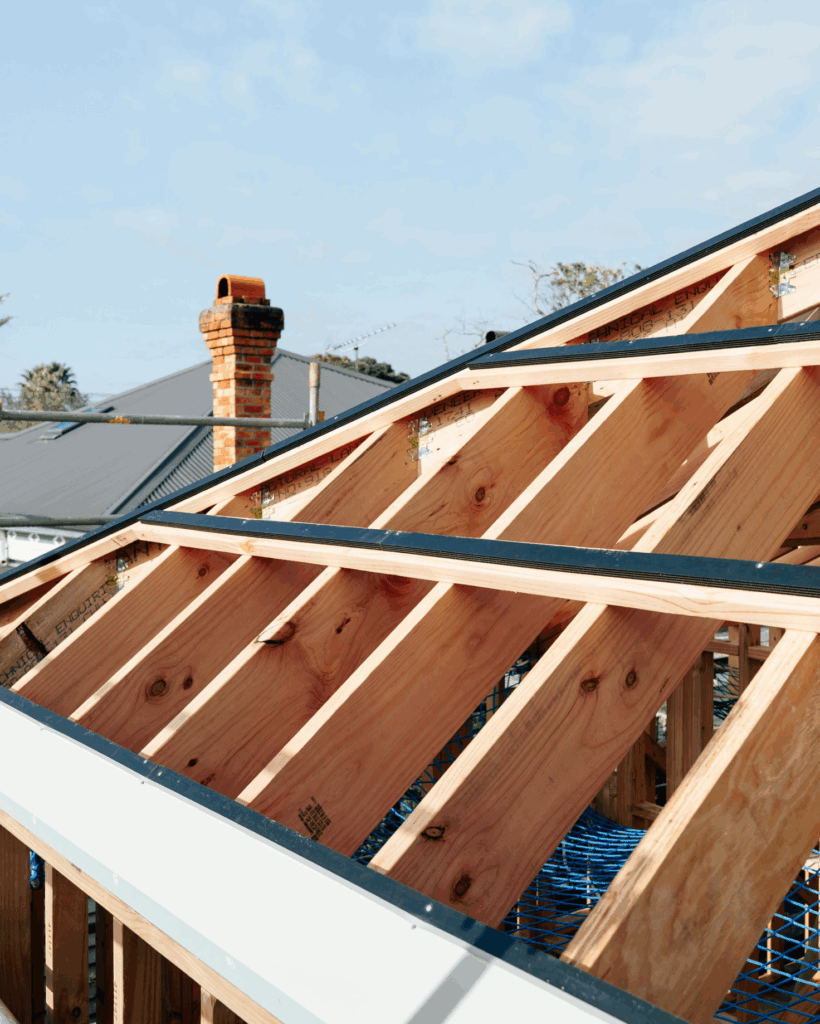
| Vented battens / ventilation battens | Provide a continuous air path under the roofing material | In NZ, vented battens like VB10 / VB20 are commonly used to maintain a gap between roof sheet and underlay |
| Ridge / exhaust vents | Let warm air escape from the highest point | Must be sized appropriately relative to the intake vents |
| Continuous, unobstructed air path | Ensures proper airflow from eaves to vents | Avoid sharp bends, blockages, underlay termination that seals off flow, improperly placed fixings |
| Appropriate sizing of ventilation area | Intake and exhaust must be balanced and sufficient | The free area of vents must match; under-sized exhaust or intake will bottleneck airflow |

Design / sizing rules
A common guideline is to provide adequate net free ventilation area per linear meter of ridge (or per area of roof).
Intake and exhaust ventilation areas should be in balance (i.e. the total intake area should match or exceed exhaust area).
Roof pitch, cavity depth, insulation thickness, and membrane permeability all influence required airflow and vent sizing.
In low pitch roofs, or roofs with limited cavity height, more careful design is needed to maintain effective airflow without turbulence or dead zones.
When retrofitting ventilation into existing roofs, care must be taken to avoid damaging or changingstructural elements, and to avoid creating unwanted leak paths.
Benefits of a Well-Designed Vented Roof System
Moisture / condensation control: Maintains drier roof cavities, protecting insulation, timber, and membranes
Longer system lifespan: Less mould, rot, corrosion, and deterioration over time
Better insulation performance: Dry insulation holds its R-value
Passive operation: No mechanical fans or energy use required
Healthier building envelope: Reduced mould risk, better indoor air quality
Risk mitigation: Helps with compliance, fewer hidden moisture defects over time
Common Pitfalls & Installation Tips
Here are things to watch out for (and avoid):
- Insulation blocking airflow — Always install baffles or maintain clear paths above insulation
- Under-sized vents — Having a small ridge vent or insufficient intake undermines the whole system
- Terminating underlay incorrectly — If the underlay or membrane is acting as an air barrier and is sealed at ridge, it may block airflow
- Blockages (debris, fixings, flashings) — Ensure roof fixings, purlins, or flashings don’t interfere with vent slots or path
- Poor retrofits — Adding vents in existing roof structure can be tricky; radiate care around structural members, membranes
- In coastal/corrosive zones — Use corrosion-resistant materials (coated battens, stainless fixings)
- Maintenance / future access — Ensure it’s feasible to check and clear vents from time to time
How to Use This Knowledge & What We Offer
If you’re considering a new roof, re-roof, or just want to check whether your current roof cavity has adequate ventilation, here’s what you can do:
- Ask your roofer or architect if there is a continuous vented path (from eaves to ridge)
- Request cross-section details of the vented roof cavity
- You can check that vent components (soffits, battens, ridge vents) are properly sized and installed
- In existing homes, have a moisture / roof cavity assessment done
At Frontier Waterproofing, we design vented roof systems as part of our full roofing / waterproofing service. We ensure each component, from vented battens, over-fascia vents, ridge vents, to baffles, is specified and integrated so the airflow path is maintained, while still delivering weather tightness and aesthetics.